
10 Most Dangerous Islands In The World - According To People Who Have Been There

- North Sentinel Island, India
- Ilha da Queimada Grande, Brazil
- Bikini Atoll, Marshall Islands
- Ramree Island, Myanmar
- Gruinard Island, Scotland
- Iwo Jima, Japan
- Saba Island, Netherlands Antilles
- Montserrat, West Indies
- Poveglia Island, Italy
- Diego Garcia, British Indian Ocean Territory
Introduction: Islands are often considered as paradises on Earth, with their pristine beaches, crystal-clear waters, and abundant wildlife. However, not all islands are created equal, and some can be downright dangerous. Whether due to natural hazards, historical conflicts, or present-day security concerns, some islands pose significant risks to visitors. In this article, we'll take a look at the 10 most dangerous islands in the world, as reported by people who have been there and experienced the dangers firsthand.
- North Sentinel Island, India
North Sentinel Island is located in the Bay of Bengal and is home to the Sentinelese people, one of the few remaining uncontacted tribes in the world. The island is off-limits to outsiders, and any attempt to land on the island is met with hostility and violence from the Sentinelese. Several incidents have occurred where outsiders have been killed or injured while attempting to land on the island, including in 2018 when an American missionary was killed by the tribe.
- Ilha da Queimada Grande, Brazil
Ilha da Queimada Grande, also known as Snake Island, is located off the coast of Brazil and is home to one of the deadliest snakes in the world, the Golden Lancehead. The island is so dangerous that it's been closed to the public since the 1920s, and only a handful of researchers are allowed to visit each year. The snakes on the island are highly venomous and can kill a person within hours if bitten.
- Bikini Atoll, Marshall Islands
Bikini Atoll was the site of numerous nuclear tests conducted by the United States during the Cold War era. The tests resulted in severe radiation contamination of the island, and it's been deemed unsafe for human habitation ever since. Visitors to the island risk exposure to radiation and should not visit without proper protective gear.
- Ramree Island, Myanmar
Ramree Island is located off the coast of Myanmar and is home to saltwater crocodiles, which are considered some of the most aggressive and dangerous crocodiles in the world. The island was the site of a brutal battle during World War II, and many soldiers lost their lives to the crocodiles while attempting to flee the island.
- Gruinard Island, Scotland
Gruinard Island is a small island off the coast of Scotland that was used for biological weapons testing by the British government during World War II. The island was contaminated with anthrax spores and was considered so dangerous that it was quarantined for several decades. Although the island has been decontaminated, visitors are still advised to exercise caution and avoid touching any vegetation or soil on the island.
- Iwo Jima, Japan
Iwo Jima is a volcanic island located in the Pacific Ocean and was the site of a major battle between the United States and Japan during World War II. The island is now uninhabited and is considered dangerous due to the presence of unexploded bombs and landmines from the war.
- Saba Island, Netherlands Antilles
Saba Island is a small island in the Caribbean that is considered one of the most dangerous airports in the world. The runway is only 1,300 feet long and is surrounded by cliffs and ocean, making it a challenging landing for even the most experienced pilots. The airport is only accessible by small propeller planes, and passengers must have nerves of steel to land on this treacherous runway.
- Montserrat, West Indies
Montserrat is a Caribbean island that is home to an active volcano, Soufriere Hills, which has been erupting since 1995. The volcano has caused significant damage to the island, including the destruction of the capital city, Plymouth.
- Poveglia Island, Italy
Poveglia Island is a small island in the Venetian Lagoon that has a dark history. The island was used as a quarantine station during the bubonic plague outbreak in the 1700s and later as a mental hospital. It's rumored that thousands of patients died on the island, and their bodies were burned in mass graves. The island is now abandoned, and although visitors are technically allowed, it's considered dangerous due to the unstable and decaying buildings and the possibility of encountering human remains.
- Diego Garcia, British Indian Ocean Territory
Diego Garcia is a small island in the Indian Ocean that is home to a U.S. military base. The island has a controversial history, as the indigenous Chagossian people were forcibly removed from the island in the 1960s to make way for the military base. The island is off-limits to civilians, and any unauthorized attempt to land on the island will be met with military force.
Conclusion:
While islands can be beautiful and alluring destinations, some are simply too dangerous for casual visitors. From deadly snakes and crocodiles to radiation and unexploded bombs, these islands pose significant risks to those who dare to venture there. It's essential to do your research and take necessary precautions before traveling to any island, especially those with a history of danger and conflict. Ultimately, it's up to each individual to weigh the risks and rewards and decide whether or not to take the plunge and explore these dangerous islands.
Geography of dangerous island in the world
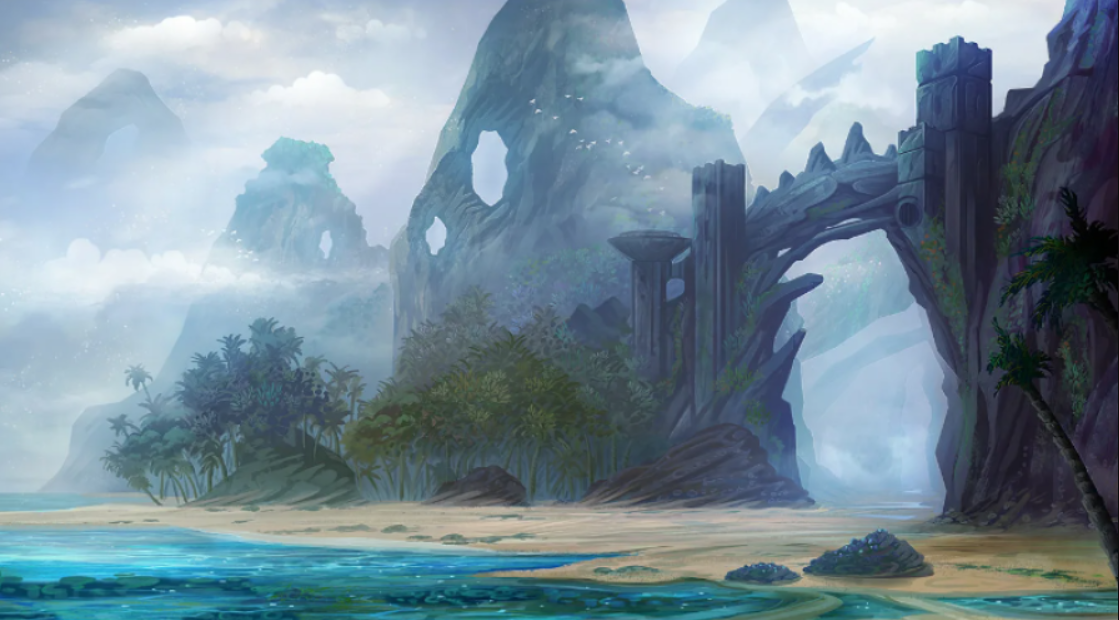
The world is full of beautiful and exotic islands that attract tourists from around the globe. However, there are some islands that are so dangerous that they remain off-limits to visitors. These islands are often known for their extreme environmental hazards, dangerous wildlife, or human-made dangers. In this article, we'll take a closer look at some of the most dangerous islands in the world, including North Sentinel Island in India, Ilha da Queimada Grande in Brazil, Bikini Atoll in the Marshall Islands, Ramree Island in Myanmar, Gruinard Island in Scotland, Iwo Jima in Japan, Saba Island in the Netherlands Antilles, Montserrat in the West Indies, Poveglia Island in Italy, and Diego Garcia in the British Indian Ocean Territory.
North Sentinel Island in India is one of the most dangerous islands in the world due to the hostility of its indigenous tribe. The Sentinelese people have lived in isolation on the island for thousands of years and are known for their hostility toward outsiders. They have been known to attack and kill outsiders who attempt to land on the island, making it off-limits to visitors. The Indian government has imposed strict restrictions on approaching the island, with a buffer zone established around the island to prevent any unauthorized access.
Ilha da Queimada Grande, also known as Snake Island, is a small island off the coast of Brazil that is home to an estimated 2,000-4,000 deadly golden lancehead snakes. These venomous snakes are so dangerous that the Brazilian government has banned visitors from the island, except for a small number of scientists who are studying the snakes. The island was cut off from the mainland thousands of years ago, leading to the evolution of unique wildlife, including the golden lancehead snake. These snakes are highly venomous, and their bites can be fatal to humans.
Bikini Atoll in the Marshall Islands was once home to a thriving community of indigenous Marshallese people, but in the 1940s, the United States government took control of the island and conducted a series of nuclear tests there. The island is now radioactive and dangerous to humans, with high levels of radiation in the soil, water, and air. The Marshallese people were forcibly relocated, and the island remains uninhabitable. Despite this, there have been some efforts to repopulate the island in recent years, with the goal of establishing a sustainable community.
Ramree Island in Myanmar is a densely forested island that is home to one of the most dangerous creatures in the world: the saltwater crocodile. The island is known for its population of these giant predators, which have been known to attack and kill humans. In addition to the crocodiles, the island is also home to venomous snakes and other dangerous wildlife, making it a treacherous destination for visitors.
Gruinard Island in Scotland was used by the British government as a testing ground for anthrax during World War II. The island was contaminated with the deadly bacteria, making it uninhabitable and off-limits to visitors until the 1980s when it was decontaminated. However, it's still considered dangerous due to the possibility of residual contamination.
Iwo Jima in Japan is a volcanic island that was the site of a major battle during World War II. The island is still littered with unexploded bombs and other hazardous materials, making it dangerous for visitors. The island is also home to a variety of wildlife, including poisonous snakes and spiders, making it a hazardous destination even for those with military clearance.
Saba Island in the Netherlands Antilles is known for its treacherous landing strip. The island's airport is located on a steep mountain slope and is surrounded by cliffs, making it one of the most dangerous airports in the world. The runway is only 1,300 feet long, and pilots must make a steep descent and a sharp turn to land safely. The airport has only a few flights per day, and visitors must have nerves of steel to land here.
Montserrat in the West Indies is known for its active volcano, Soufrière Hills. The volcano erupted in 1995, and since then, the island has experienced a series of volcanic eruptions and lahars. The eruption caused widespread damage to the island's infrastructure, and more than half of the population was forced to evacuate. Today, much of the island remains uninhabitable, and the volcano is still active, making it a dangerous destination for visitors.
Poveglia Island in Italy is known for its dark history. The island was used as a quarantine station for ships during the bubonic plague epidemic in the 1700s, and later, it was used as a mental hospital. The island is now abandoned and off-limits to visitors, but it's rumored to be haunted by the ghosts of the patients who died there. The island's dark history and eerie atmosphere have made it a popular destination for paranormal investigators, despite the dangers.
Diego Garcia in the British Indian Ocean Territory is a small island that is home to a major US military base. The island has been the subject of controversy, with the forced relocation of the indigenous Chagossian people in the 1960s to make way for the base. The island is now off-limits to visitors, except for military personnel and contractors.
In conclusion, the world is home to many beautiful and exotic islands, but there are also islands that are so dangerous that they remain off-limits to visitors. These islands are often known for their extreme environmental hazards, dangerous wildlife, or human-made dangers. The islands we discussed in this article, including North Sentinel Island in India, Ilha da Queimada Grande in Brazil, Bikini Atoll in the Marshall Islands, Ramree Island in Myanmar, Gruinard Island in Scotland, Iwo Jima in Japan, Saba Island in the Netherlands Antilles, Montserrat in the West Indies, Poveglia Island in Italy, and Diego Garcia in the British Indian Ocean Territory, are just a few examples of the world's most dangerous islands. While these islands may be intriguing to some, it's important to remember that they are often off-limits for good reason and should be approached with caution.
The Top 10 Most Dangerous Islands in the World: Real Stories From People Who Have Been There | Ftknows
Discover the top 10 most dangerous islands in the world, from North Sentinel and Snake Island to Whakaari and Sable Island. Explore real stories, deadly natural hazards, history, wildlife, volcanoes, and the reasons these islands remain dangerous.
top-10-most-dangerous-islands-in-the-world
dangerous islands in the world, most dangerous islands, deadliest islands, dangerous islands to visit, North Sentinel Island, Snake Island Brazil, Whakaari White Island, Sable Island, Bikini Atoll, dangerous volcanic islands, dangerous places in the world, Ftknows
Introduction: Beautiful Islands With a Dangerous Side
When most people hear the word island, they imagine something beautiful.
They picture white beaches, turquoise water, palm trees moving in the wind, colorful coral reefs, peaceful sunsets, and small villages surrounded by the ocean.
But not every island is a paradise.
Some islands hide extremely dangerous wildlife. Others sit on active volcanoes. Some are surrounded by powerful currents, unpredictable weather, or shifting sandbars. A few carry the scars of war, nuclear testing, disease, or environmental disasters. And at least one island on this list is protected precisely because contact with the people living there could be devastating for them as well as dangerous for outsiders.
The phrase “most dangerous island in the world” does not have one official scientific ranking. Danger can mean many different things: poisonous animals, volcanic eruptions, extreme isolation, rough seas, unexploded military hazards, radiation, or the risk created when visitors ignore strict restrictions.
That distinction matters.
An island can be dangerous without being permanently deadly. Some places on this list are accessible under controlled conditions. Others are closed to ordinary visitors. Some are dangerous because of what happened there in the past, while others remain active natural hazard zones.
This article explores ten islands and island groups whose histories and environments demonstrate just how unpredictable isolated places can become.
The stories are not presented simply to frighten travelers. They reveal something much more interesting: how nature, geography, human decisions, and history can combine to create some of the most dangerous environments on Earth.
So let us begin our journey.
1. North Sentinel Island, India — The Island Where Contact Is Forbidden
Few islands have a reputation as mysterious as North Sentinel Island, located in India's Andaman and Nicobar Islands.
The island is home to the Sentinelese, an Indigenous community that has maintained an extremely isolated existence from the outside world.
But there is an important point that is often misunderstood.
The island is not dangerous simply because its inhabitants are supposedly “violent.” The bigger story is about protection, isolation, disease, and the right of an Indigenous community to remain undisturbed.
The Government of India has designated North Sentinel Island and the surrounding coastal waters as a protected tribal reserve. Entry by outsiders is prohibited. The government has adopted an “eyes-on, hands-off” approach intended to protect the Sentinelese while minimizing outside contact.
That makes this one of the clearest examples of an island where the safest decision is not to visit at all.
The John Allen Chau Incident
One of the most widely reported incidents occurred in November 2018.
John Allen Chau, a 26-year-old American, traveled illegally toward North Sentinel Island with the intention of making contact with the Sentinelese.
According to reporting based on police accounts, local fishermen transported him illegally toward the island. Chau attempted to approach the island despite warnings and was subsequently killed by members of the Sentinelese community.
The incident shocked the world.
But the story contains another important dimension.
The Sentinelese are extremely vulnerable to diseases introduced by outsiders. Because of their long isolation, they may lack immunity to common infections that are relatively harmless to much of the outside population.
This means that unauthorized visitors do not simply put themselves in danger.
They may also put the island's inhabitants at risk.
The Indian government's protected-area policy therefore exists partly to prevent exactly this kind of contact.
Why Is North Sentinel Dangerous?
There are several reasons:
- Unauthorized visitors can face violent resistance.
- The island is extremely isolated.
- Medical assistance is not readily available.
- Contact could expose the Sentinelese to outside diseases.
- Indian law prohibits unauthorized entry.
The real lesson of North Sentinel is therefore not “how to sneak onto a forbidden island.”
It is the opposite.
Respecting the boundary is the safest and most ethical choice.
2. Ilha da Queimada Grande, Brazil — The Famous Snake Island
If North Sentinel represents human isolation, Brazil's Ilha da Queimada Grande represents one of nature's most fascinating evolutionary experiments.
The island is commonly known as Snake Island.
Located off the coast of São Paulo state, it is famous for the golden lancehead snake, a venomous species found naturally only on this island.
The species is scientifically known as Bothrops insularis.
Brazil's Instituto Chico Mendes de Conservação da Biodiversidade lists the species among threatened animals protected in the conservation area covering Queimada Grande and nearby islands.
Why Are There So Many Snakes?
The island became isolated from mainland Brazil thousands of years ago as sea levels changed.
The snake population evolved independently.
The island's environment created unusual evolutionary pressure.
Unlike mainland snakes, these snakes have an extraordinary relationship with migratory birds that visit the island.
Scientists have studied the species because its isolation provides an important example of evolution.
The result is a snake that has become famous far beyond Brazil.
The Stories of the Lighthouse
For decades, stories about the island's lighthouse keepers have contributed to its frightening reputation.
Popular accounts describe lighthouse workers being attacked by snakes.
Some versions of the story claim that a keeper and his family were killed after snakes entered their home.
However, not every dramatic story circulating online has been independently verified.
This distinction is important because Snake Island has accumulated a mixture of scientific facts, local stories, media exaggeration, and internet mythology.
Scientific research nevertheless confirms that the island has a significant population of venomous golden lanceheads and that access is restricted.
The Smithsonian has reported estimates of thousands of golden lanceheads on the island and described the strict controls surrounding access.
What Makes the Island Truly Dangerous?
The danger is not that snakes are constantly attacking every person who approaches.
The real problem is that a bite from a highly venomous snake in a remote location can become a medical emergency very quickly.
There is also no reason for ordinary tourists to enter the habitat.
The Brazilian government regulates access, and legitimate scientific visits require authorization.
Interestingly, the island's snakes are themselves threatened.
That creates a strange contradiction.
One of the world's most feared islands is also a place where conservationists are trying to protect an endangered species.
The lesson is simple:
The most dangerous animal on an island does not necessarily make the island evil or unnatural. It may simply be an ecosystem that humans were never meant to enter casually.
3. Whakaari / White Island, New Zealand — A Volcano Beneath the Ocean
Imagine standing on an island that is actually the visible portion of an active volcano.
That is the extraordinary reality of Whakaari, also known as White Island, in New Zealand.
The island became internationally known after the catastrophic eruption of December 9, 2019.
At the time, tourists were visiting the island.
Then the volcano erupted.
The 2019 Disaster
According to WorkSafe New Zealand, 47 people were on Whakaari when the eruption occurred.
Twenty-two people died as a result of injuries sustained during the eruption, while 25 were injured.
The tragedy became one of New Zealand's most significant natural disasters in recent decades.
People who had traveled to the island expecting an adventure suddenly found themselves inside an active volcanic environment.
The disaster transformed the way authorities, tour operators, scientists, and the public thought about volcanic tourism.
Why Was the Island So Dangerous?
Whakaari is an active volcano.
Volcanic systems can be unpredictable.
Even when an eruption does not appear imminent, underground pressure, gases, water, and magma can change.
The eruption demonstrated how quickly conditions could deteriorate.
WorkSafe warned after the eruption that dangerous volcanic gases and corrosive ash could pose serious risks and emphasized that the island was not an ordinary work or tourism environment.
The Human Story
One of the most painful aspects of Whakaari is that the people on the island were not explorers deliberately entering a known war zone.
Many were ordinary travelers.
Families.
Couples.
Friends.
Tourists.
They believed they were participating in an organized adventure.
WorkSafe later stated that the people who traveled to Whakaari had a reasonable expectation that appropriate safety systems were in place.
That makes the story particularly powerful.
It demonstrates that danger is not always visible.
A volcano can look peaceful seconds before becoming catastrophic.
4. Sable Island, Canada — The Graveyard of the Atlantic
Sable Island looks very different from Snake Island or Whakaari.
There are no famous venomous snakes waiting in the grass.
There is no active volcanic crater dominating the landscape.
Instead, the danger comes from something much simpler:
the ocean, storms, fog, currents, and shifting sand.
Sable Island is located approximately 290 kilometers southeast of Halifax, Nova Scotia.
It is a narrow, constantly changing island made largely of sand.
Parks Canada describes it as an extremely remote environment and notes that more than 350 shipwrecks have been recorded around the island since 1583.
That history earned it the nickname:
“The Graveyard of the Atlantic.”
Why Did Ships Sink Here?
Before modern navigation systems, sailors faced several problems.
Fog could hide the island.
Storms could push ships toward dangerous waters.
Sandbars could shift.
Currents could make navigation difficult.
And the island itself could change shape.
A ship might be approaching land without clearly realizing how close it was.
When a vessel struck the sandbars, rescue could become extremely difficult.
The People Who Lived There
Sable Island was not simply a place where ships disappeared.
People lived there too.
In 1801, a lifesaving station was established to help shipwreck survivors.
By the late nineteenth century, multiple lifesaving stations, lighthouses, and shelters existed on the island. Parks Canada records that rescue crews sometimes had to row for four or five hours to reach wrecked vessels because of the island's extensive sandbanks.
These people faced an extraordinary working environment.
They were isolated.
Weather could change.
Ships could wreck.
And rescue operations themselves were dangerous.
Sable Island Today
The island is now protected as a national park reserve.
Visitors can go there, but access is controlled.
Parks Canada states that visitors must travel with a licensed operator or receive approval, and independent trips are not allowed without written authorization.
The island is also famous for its wild horses and enormous grey seal colony.
So Sable Island demonstrates an important principle:
A place can be dangerous without being forbidden.
With preparation, trained operators, and respect for the environment, people can experience it safely.
Without those precautions, the same landscape can become extremely unforgiving.
5. Heard Island, Australia — The Wild Island of Fire, Ice, and Storms
Far away in the Southern Ocean lies one of Australia's most remote territories:
Heard Island.
This island is almost the opposite of a tropical vacation destination.
It has glaciers.
Snow.
Strong winds.
Rugged terrain.
An active volcano.
And extremely limited human access.
The Australian government describes Heard and McDonald Islands as one of the wildest places on Earth—a volcanic environment under snow and glacial ice surrounded by stormy waters.
Big Ben
Heard Island is dominated by Big Ben, a 2,750-meter-high active volcanic massif.
Its summit is covered by glaciers.
That creates an extraordinary combination:
fire and ice.
The volcano is active, but the island's dangers extend far beyond volcanic activity.
Weather can be severe.
According to the Australian Antarctic Program, Heard Island experiences persistent strong winds, frequent precipitation, low cloud cover, and difficult weather conditions. Historical records include wind gusts exceeding 180 kilometers per hour.
The Scientists Who Went There
Scientists and expeditioners have repeatedly traveled to Heard Island to study its environment.
Early scientific visitors often had only a few hours because poor weather prevented longer stays.
In the twentieth century, Australia operated a research station there for several years.
Ninety-one expeditioners wintered on the island during the station's operation.
That number reveals something important.
Heard Island is not dangerous because nobody has ever been there.
Scientists have been there.
Researchers have landed there.
Expedition teams have worked there.
But reaching the island and operating safely requires serious preparation.
A Modern Reminder of the Risk
In October 2025, the research vessel RSV Nuyina grounded near Heard Island.
An investigation by Australia's Transport Safety Bureau highlighted the island's remoteness, difficult weather, and poorly surveyed waters. Some coastal areas remain marked as unsurveyed, and navigation data around parts of the island have limited accuracy.
Heard Island therefore remains an environment where nature dominates.
It is beautiful.
It is scientifically valuable.
And it is extremely unforgiving.
6. Bikini Atoll, Marshall Islands — A Beautiful Paradise With a Nuclear Past
From a distance, Bikini Atoll looks like paradise.
Blue water.
Coral reefs.
Small tropical islands.
A peaceful Pacific landscape.
But beneath this beauty lies one of the most disturbing chapters of the nuclear age.
After World War II, the United States selected Bikini Atoll as a site for nuclear weapons testing.
Between 1946 and 1958, numerous nuclear tests were conducted across the Marshall Islands.
UNESCO recognizes Bikini Atoll as a World Heritage Site because of its exceptional historical significance as a nuclear test site.
The Displacement of the People
Before the tests, Bikini was home to Marshallese people.
They were displaced to allow nuclear testing to proceed.
The consequences were profound.
UNESCO notes that the nuclear testing changed the history of Bikini and the Marshall Islands through displacement, irradiation, and radioactive contamination.
This makes Bikini different from many of the other islands on this list.
Its greatest danger is not an animal.
It is not a volcano.
It is the legacy of human technology.
The Nuclear Tests
The tests transformed the physical landscape.
Ships were deliberately placed in the lagoon for some tests.
Explosions created enormous craters.
Radioactive materials spread through the environment.
The famous Castle Bravo test in 1954 produced a massive thermonuclear explosion and caused serious radioactive fallout.
The event became a defining moment in the history of nuclear weapons.
Can We Call Bikini “Dangerous” Today?
This requires nuance.
Bikini is not simply a forbidden island where anyone who steps ashore instantly receives a lethal dose of radiation.
The environmental and radiological situation is more complicated.
The island has been the subject of long-term scientific monitoring and historical discussion.
Its status as a World Heritage Site is based largely on its extraordinary historical significance.
But Bikini's history remains a powerful warning.
The island demonstrates that human beings can transform a tropical paradise into a landscape associated with displacement, contamination, and nuclear warfare.
Sometimes the most dangerous force on an island is not nature. It is human technology.
7. Farallon Islands, United States — The Shark Waters Outside San Francisco
Only a short distance from the famous city of San Francisco lies an island group that looks like another world.
The Farallon Islands are rocky, remote, and surrounded by extraordinarily productive marine ecosystems.
They are also famous for great white sharks.
The islands are part of the Farallon Islands National Wildlife Refuge.
The U.S. Fish and Wildlife Service describes the surrounding waters as one of the most biodiverse marine ecosystems on the planet and notes that the area provides feeding grounds for whales and white sharks.
Why Are Great White Sharks Here?
The answer is food.
Farallon waters support large populations of marine mammals, including seals and sea lions.
Where there are seals, there can be great white sharks.
The relationship is ecological rather than mythical.
The sharks are not there because they are “monsters.”
They are there because the ecosystem provides an enormous amount of food.
A Dangerous History for Divers
Historical records demonstrate how seriously people once viewed shark activity around the Farallones.
A U.S. Fish and Wildlife Service archival report described the increasing presence of great white sharks around the islands and noted that their abundance affected diving activities. Historical commercial diving sometimes involved shark cages and additional precautions.
The Farallones therefore became one of the most famous locations associated with shark research and observation.
Can Tourists Visit?
The island itself is highly restricted.
The U.S. Fish and Wildlife Service states that the refuge is closed to the public because of the sensitivity of its wildlife.
People can experience the surrounding marine environment through permitted activities and wildlife observation, but casually landing on the islands is not an ordinary tourist activity.
This is another example of an important distinction:
Being close to a dangerous environment does not mean you should enter it.
8. Miyakejima, Japan — The Island That Forced Thousands to Leave
Japan's Miyakejima Island is a spectacular volcanic island located south of Tokyo.
Today, it is known for birds, hiking, marine life, and volcanic landscapes.
But in 2000, the island became the center of a major volcanic disaster.
The Eruption of 2000
Earthquakes began increasing around Miyakejima in June and July 2000.
The volcano erupted.
Later, major eruptions occurred.
Ash covered parts of the island.
Mudflows developed.
And large amounts of volcanic gases, particularly sulfur dioxide, continued to emerge.
Japan's Cabinet Office records that the entire island was ordered to evacuate on September 2, 2000.
Approximately 3,600 to 3,800 residents were displaced.
For those people, the danger was not theoretical.
Their homes became temporarily uninhabitable.
Living With Volcanic Gas
Miyakejima's story did not end when the eruption stopped.
Volcanic gases remained a problem.
The Smithsonian's Global Volcanism Program documented substantial sulfur dioxide emissions even during the period when residents began returning.
NASA later described the island's return-to-home process and noted that volcanic activity had forced the evacuation of the island's population.
Returning Home
In 2005, the evacuation order was lifted.
Residents began returning.
But life was not immediately normal.
Contemporary reporting described continued sulfur dioxide warnings and restrictions in areas with high gas concentrations.
This is what makes Miyakejima particularly interesting.
It is not simply a “deadly island.”
It is a living volcanic landscape where humans have learned to adapt to risk.
Modern visitors can access the island, but certain areas remain restricted around the volcano.
Tokyo's official tourism guide notes that Mount Oyama last erupted in 2000 and that a restricted area remains near the volcano.
Miyakejima's story is ultimately about resilience.
Thousands of people were forced to leave their homes.
Years later, many returned.
9. Ramree Island, Myanmar — The Crocodile Story That Became a Legend
Few dangerous-island stories are as famous—or as controversial—as the story of Ramree Island during World War II.
The island is associated with the 1945 Battle of Ramree Island.
But the most famous part of the story is not the battle itself.
It is the crocodiles.
According to the popular account, Japanese soldiers retreating through mangrove swamps were attacked by enormous saltwater crocodiles.
The story became one of the most famous animal-attack stories ever told.
But there is a major problem.
The scale of the crocodile deaths is disputed.
What the Popular Story Says
The famous version claims that hundreds—or even nearly a thousand—Japanese soldiers entered the mangrove swamps and that large numbers were killed by crocodiles.
For decades, this account was repeated in books and popular media.
It became part of the island's mythology.
What Later Research Found
Historical analysis has challenged the dramatic version.
Research into the battle suggests that Japanese casualties were real and severe, but the idea that crocodiles killed the overwhelming majority of them is not securely supported.
A later investigation reported that many soldiers likely died from combat, drowning, disease, or other causes, while crocodiles may have scavenged bodies.
Herpetologist Steven Platt later interviewed residents who had lived through the wartime events. Those accounts reportedly did not support the idea of a massive crocodile massacre.
This is an important lesson for anyone writing about dangerous places.
A story can become famous without every part of it being historically accurate.
Does That Mean Ramree Was Safe?
Absolutely not.
Saltwater crocodiles are genuinely dangerous animals.
Mangrove environments can be extremely difficult to navigate.
War itself made the island extraordinarily dangerous.
But the famous crocodile story should be presented carefully.
The truth is actually more interesting than the myth.
Ramree Island was a battlefield where soldiers faced multiple dangers—not necessarily a single gigantic crocodile attack as popular culture often portrays it.
10. An Island of Fire, Ice, and Isolation: Why Remote Islands Can Become Deadly
For the final entry, it is useful to look beyond one particular animal or historical event.
Remote islands such as Heard Island demonstrate a category of danger that is often underestimated:
extreme isolation.
Imagine being injured somewhere hundreds or thousands of kilometers from the nearest major hospital.
Imagine a storm arriving while your boat is trying to leave.
Imagine communication failing.
Imagine rough seas preventing evacuation.
Imagine a volcanic mountain blocking the only safe route.
This is the kind of danger found on the world's most isolated islands.
Heard Island is a perfect example.
The island is thousands of kilometers from mainland Australia, surrounded by difficult Southern Ocean conditions, and has no permanent human population.
Australian authorities describe it as one of the wildest places on Earth.
Expedition teams have successfully visited it, but historical accounts repeatedly describe weather as a major limiting factor.
During the 1874 Challenger expedition, for example, poor weather limited the scientific landing to only about three hours. Later expeditions also had their work restricted by weather conditions.
This demonstrates something that adventure movies often ignore.
The greatest danger in an isolated place may not be a dramatic monster.
It may simply be distance.
When help is thousands of kilometers away, even a relatively ordinary accident can become life-threatening.
What Makes an Island Dangerous?
After examining these examples, we can identify several major categories of island danger.
1. Dangerous Wildlife
Snake Island is famous for venomous snakes.
The Farallon Islands are surrounded by waters frequented by great white sharks.
Ramree Island's history is associated with saltwater crocodiles.
Wildlife becomes particularly dangerous when people enter an ecosystem without understanding it.
2. Active Volcanoes
Whakaari and Miyakejima demonstrate the unpredictable power of volcanoes.
Volcanic danger can include:
- Lava
- Ash
- Toxic gases
- Pyroclastic material
- Mudflows
- Explosions
- Earthquakes
A volcano does not need to be visibly erupting every day to remain a serious hazard.
3. Extreme Weather
Sable Island and Heard Island show how weather can become more dangerous than wildlife.
Storms, fog, wind, high waves, and changing sea conditions can turn an apparently simple journey into a survival situation.
4. Isolation
Isolation is one of the most underestimated dangers.
On a remote island:
- Hospitals may be far away.
- Rescue aircraft may not be available.
- Communication may be limited.
- Supplies may be scarce.
- Weather may prevent evacuation.
A small injury can become a major emergency.
5. Human History
Bikini Atoll demonstrates another category.
An island can become dangerous because of decisions made by governments and militaries.
Nuclear testing permanently changed Bikini's history.
War transformed Ramree Island.
Human activity can create hazards that remain long after the original event has ended.
6. Human Contact
North Sentinel Island is unique because the danger involves both sides.
An outsider entering the island may face a serious risk of violent confrontation.
But the outsider could also carry diseases that could devastate the Sentinelese.
The responsible response is therefore not “go carefully.”
It is:
Do not go.
The Difference Between a Dangerous Island and a Forbidden Island
One of the most important lessons from these locations is that danger does not always mean prohibition.
Some islands are accessible with restrictions.
Sable Island allows controlled visits.
Miyakejima has tourist access while dangerous zones remain restricted.
Heard Island can be visited by properly organized scientific expeditions.
Other places are much more restricted.
North Sentinel Island is closed to outsiders.
The Farallon Islands National Wildlife Refuge is closed to public access because of sensitive wildlife.
Whakaari's history has fundamentally changed how tourism to the volcano is viewed.
This distinction matters for travelers.
Never assume that because someone else visited an island, you can simply copy their journey.
Real Stories vs. Internet Myths
The internet loves dangerous-island stories.
A photograph of a snake becomes:
“There are thousands of snakes everywhere.”
A wartime event becomes:
“Hundreds of soldiers were eaten alive.”
A volcano becomes:
“Anyone who visits will certainly die.”
A remote community becomes:
“The most violent tribe on Earth.”
But reality is usually more complicated.
The real stories are often more fascinating.
North Sentinel is a story about Indigenous rights and disease vulnerability.
Snake Island is a story about evolution and conservation.
Whakaari is a story about volcanic hazards and tourism safety.
Sable Island is a story about maritime disasters and rescue.
Bikini is a story about nuclear weapons and displacement.
Ramree is a story about war and historical memory.
Heard Island is a story about scientific exploration under extreme conditions.
These stories deserve more than sensational headlines.
Why People Are Fascinated by Dangerous Islands
Why do people find these islands so fascinating?
The answer may lie in human curiosity.
We naturally want to understand places that seem inaccessible.
A forbidden island creates mystery.
A volcanic island creates awe.
A snake-infested island creates fear.
An abandoned landscape creates questions.
A remote island makes us wonder what exists beyond the horizon.
Danger increases curiosity because it creates a boundary.
And humans have always wanted to cross boundaries.
Explorers sailed into unknown oceans.
Scientists climbed remote volcanoes.
Divers entered deep waters.
Researchers traveled to isolated islands.
But modern exploration also requires responsibility.
Just because something is possible does not mean it should be done.
Lessons From the World's Most Dangerous Islands
These islands teach us several important lessons.
Respect Nature
Nature does not care whether humans are tourists, scientists, or adventurers.
A volcano can erupt without warning.
A storm can change direction.
A wild animal can behave unpredictably.
Respect is the first rule of exploration.
Respect Local Laws
If a government declares an island off-limits, that restriction exists for a reason.
North Sentinel is the clearest example.
Ignoring restrictions is not adventurous.
It is irresponsible.
Respect Indigenous Communities
The Sentinelese have the right to maintain their isolation.
Their way of life should not be treated as entertainment.
Responsible curiosity means learning about them without attempting to make contact.
Do Not Trust Every Internet Story
Some of the world's most famous dangerous-island stories contain exaggerations.
Ramree Island is a perfect example.
Historical evidence matters.
Prepare for Isolation
Remote environments require preparation.
Weather forecasts, communications, emergency plans, medical supplies, local guides, permits, and evacuation procedures can make the difference between an adventure and a disaster.
The Future of Dangerous Islands
Climate change may also change the risk profile of many islands.
Rising sea levels can affect low-lying islands.
Changing temperatures can alter wildlife habitats.
Extreme weather can become a greater concern.
Volcanic monitoring technologies are improving, but volcanoes remain difficult to predict precisely.
Satellite technology, drones, remote sensors, GPS, weather forecasting, and scientific monitoring can improve safety.
But technology has limits.
There will always be places where nature is more powerful than our equipment.
The best approach is therefore a combination of:
science + preparation + respect + responsible tourism.
Frequently Asked Questions
What is the most dangerous island in the world?
There is no universally accepted official ranking of the world's most dangerous islands. North Sentinel Island, Snake Island, Whakaari, Sable Island, and other locations are often described as dangerous for very different reasons.
Can tourists visit North Sentinel Island?
No. Unauthorized outsiders are prohibited from entering North Sentinel Island and its protected coastal zone. The Indian government maintains a protective “eyes-on, hands-off” policy toward the Sentinelese.
Why is Snake Island dangerous?
Ilha da Queimada Grande is home to the endemic golden lancehead, a venomous snake. Access is strictly controlled, and the island is an important conservation area.
What happened on Whakaari?
Whakaari erupted on December 9, 2019, while 47 people were on the island. Twenty-two people died and 25 were injured.
Why is Sable Island called the Graveyard of the Atlantic?
More than 350 recorded shipwrecks have occurred around Sable Island since 1583. Fog, storms, rough seas, and shifting sandbars historically made the region extremely dangerous for ships.
Is Bikini Atoll dangerous?
Bikini Atoll has a complex environmental and radiological history resulting from decades of nuclear testing. It is also a UNESCO World Heritage Site because of its historical importance.
Were thousands of Japanese soldiers really eaten by crocodiles on Ramree Island?
The famous story is disputed. Japanese casualties during the Battle of Ramree Island were real, but later historical and eyewitness research challenges the claim that crocodiles killed the overwhelming majority of them.
Is Miyakejima still inhabited?
Yes. Residents returned after the evacuation order was lifted in 2005, although volcanic hazards and restricted areas remain part of life on the island.
Conclusion: The World's Most Dangerous Islands Are Also Its Most Fascinating
The world's dangerous islands are not simply places of death and fear.
They are places where the forces of nature, history, science, and human civilization collide.
North Sentinel Island teaches us about isolation, Indigenous rights, and the dangers of unwanted contact.
Ilha da Queimada Grande demonstrates the extraordinary power of evolution and the importance of wildlife conservation.
Whakaari reminds us that volcanoes can change from quiet landscapes to disaster zones in moments.
Sable Island tells the story of sailors, shipwrecks, storms, and the people who risked their lives to rescue others.
Heard Island demonstrates how extreme isolation and weather can challenge even experienced scientists.
Bikini Atoll shows the long-lasting consequences of nuclear weapons and human decisions.
The Farallon Islands reveal the complexity of marine ecosystems where predators and prey exist in extraordinary numbers.
Miyakejima tells a story of volcanic disaster, evacuation, and human resilience.
And Ramree Island reminds us that history can become legend—and that separating fact from myth is essential.
Perhaps the greatest lesson is that danger itself is not always the enemy.
Sometimes danger is simply nature behaving naturally.
A shark is not evil because it hunts.
A snake is not evil because it is venomous.
A volcano is not evil because it erupts.
A storm is not evil because it destroys.
The responsibility belongs to us to understand these environments, respect their boundaries, follow safety regulations, and recognize when exploration should stop.
The most courageous traveler is not necessarily the person who goes where nobody else dares to go.
Sometimes, the wisest traveler is the one who understands when not to go at all.
The world's dangerous islands therefore deserve something more valuable than sensationalism.
They deserve respect, scientific study, historical honesty, environmental protection, and responsible storytelling.
And that is what makes their stories worth telling.
SEO Package for Ftknows
The Top 10 Most Dangerous Islands in the World: Real Stories From People Who Have Been There | Ftknows
10 Most Dangerous Islands in the World You Should Never Visit Without Knowing the Truth
Discover the 10 most dangerous islands in the world, including North Sentinel Island, Snake Island, Whakaari, Sable Island, Bikini Atoll and more, with real documented stories and fascinating facts.
Dangerous Islands, World Geography, Travel, History, Mystery, Nature, Wildlife, Islands, Adventure, Ftknows
10 MOST DANGEROUS
ISLANDS IN THE WORLD
REAL STORIES 😱
FTKNOWS